The best screen-free fitness tracker of 2026? Fitbit Air.
2026 is the year the screenless band went mainstream — Google, Garmin, Polar and Amazfit all now sell one. We compared every major screen-free tracker on battery, sensors, app quality and total cost of ownership, so you can buy the right one the first time.
Quick answer: The best screen-free fitness tracker for most people in 2026 is the Google Fitbit Air (~$99 once, no required subscription). Want zero monthly fees and the deepest sleep and recovery data outside WHOOP? The Garmin Cirqa (~$199 once) is the closest no-subscription rival to WHOOP's coaching. Already paying for WHOOP and want out? See our WHOOP alternatives without a subscription guide.

our Editor's Choice pick
Our top 3 picks of 2026
If you only read one section, make it this one. These three cover 90% of buyers.
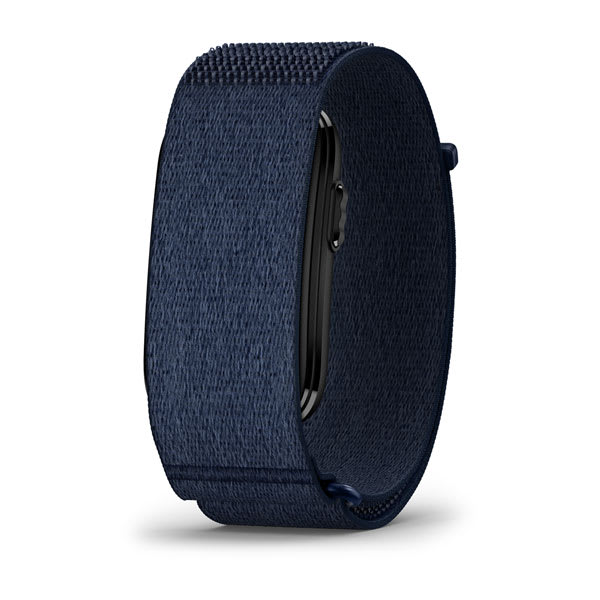
Garmin Cirqa
Garmin's first screen-free band: Elevate sensor, Body Battery, Training Readiness and 10-day battery — with no required subscription. Launched July 24, 2026.
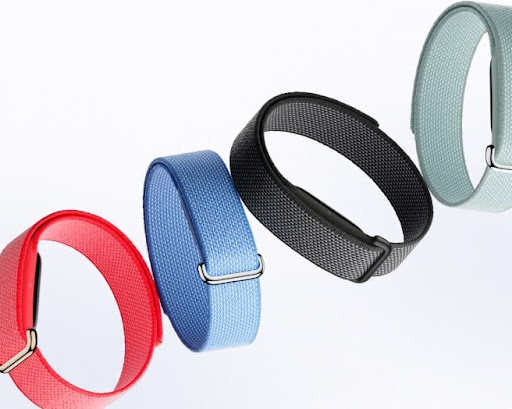
Google Fitbit Air
The band that took screen-free mainstream. At 12g you forget it's on, battery lasts a week, and the core health data — sleep, heart rhythm, AFib alerts, HRV — needs no subscription. Around $99 at the time of writing.
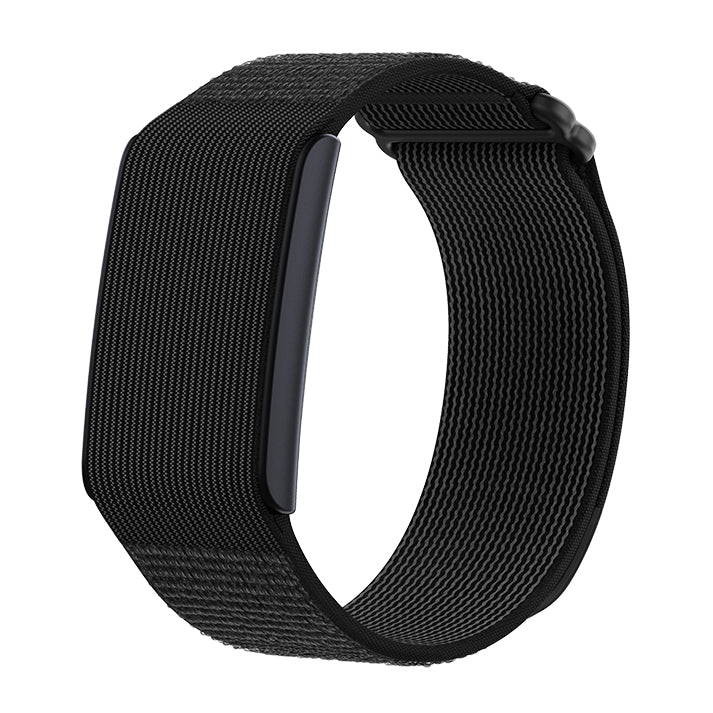
Amazfit Helio Strap
A WHOOP-style training band with zero recurring fees. 10-day battery, wrist or upper-arm wear, and strength-training rep tracking — for around $99 (September 2026).
Find your band in 30 seconds
All 5 bands compared
| BAND | BEST FOR | SCORE | BATTERY | SUBSCRIPTION | PRICE BAND | BUY |
|---|---|---|---|---|---|---|
| Fitbit Air #1 PICK | Most people | 9.2 | 7 days | Optional | $ | Check Price |
| Garmin Cirqa | Athletes in the Garmin world | 8.5 | 10 days | None required | $$$ | Check Price |
| Amazfit Helio Strap | Gym & HYROX on a budget | 8.7 | 10 days | None | $ | Check Price |
| Polar Loop | Minimalists & sleep-first users | 8.2 | 8 days | None | $$ | Check Price |
| WHOOP 5.0 | Deepest recovery coaching | 8.5 | 14+ days | Required | $$$ / yr | Check Price |
The reviews, one by one
For each band we dug through the official spec sheets, owner feedback across Amazon, Reddit and fitness forums, and hands-on reports from testers we trust — then scored what actually matters: comfort, battery, data quality and total cost.
Google Fitbit Air
Google's $99-ish "pebble" (price at the time of writing, July 2026) is the reason this category exploded. At 12 grams it's the lightest serious tracker on the market — you genuinely stop noticing it, which is the whole point for sleep tracking. It covers 24/7 heart rate, heart-rhythm monitoring with AFib alerts, SpO2, HRV and full sleep stages, and the core data is free in the Google Health app. The optional Premium tier (3-month trial included) adds Gemini-based coaching, but you don't need it for the fundamentals.
Garmin Cirqa Smart Band
Announced July 21 and shipping from July 24, 2026, Cirqa is Garmin's direct answer to WHOOP — with the one thing WHOOP won't give you: no required subscription. It packs Garmin's Elevate optical sensor into a fabric loop you can wear on wrist or upper arm, tracks Body Battery, Training Readiness, HRV status, sleep and 80+ activities, and pipes everything into the free Garmin Connect app. Around $199.99 at launch. Now that the reviews and owner reports are in, we've revised our provisional 9.0 down to 8.5 — no onboard GPS, a last-gen sensor, and a live heart-rate view locked behind Connect+. Read the full Garmin Cirqa review →
Amazfit Helio Strap
The value shock of the category: WHOOP-style 24/7 strain and recovery tracking for around $99 (September 2026) with no membership, ever. It reads heart rate every second, handles strength training with rep/set/rest tracking plus a dedicated HYROX race mode, and runs 10 days per charge. Owner feedback praises comfort on the upper arm during hard sessions — where wrist optical sensors usually struggle.
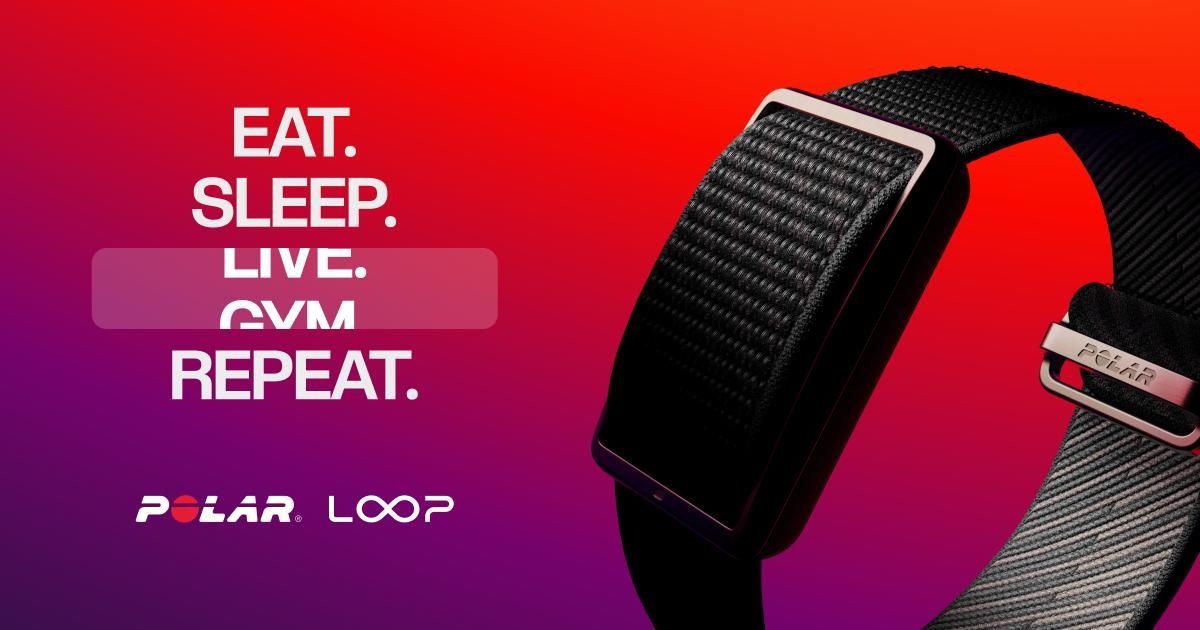
Polar Loop
Polar's take leans fully into calm: no screen, no fees, and the excellent Nightly Recharge and SleepWise sleep analytics from its sports watches, free in Polar Flow. Sports-science pedigree is the draw here. Two honest caveats from our research: at around $169.99 (September 2026) it's pricier than the ~$99 rivals, and early owner feedback on Amazon has been mixed — mostly around setup and syncing — so check recent reviews on the listing before you buy.
WHOOP 5.0
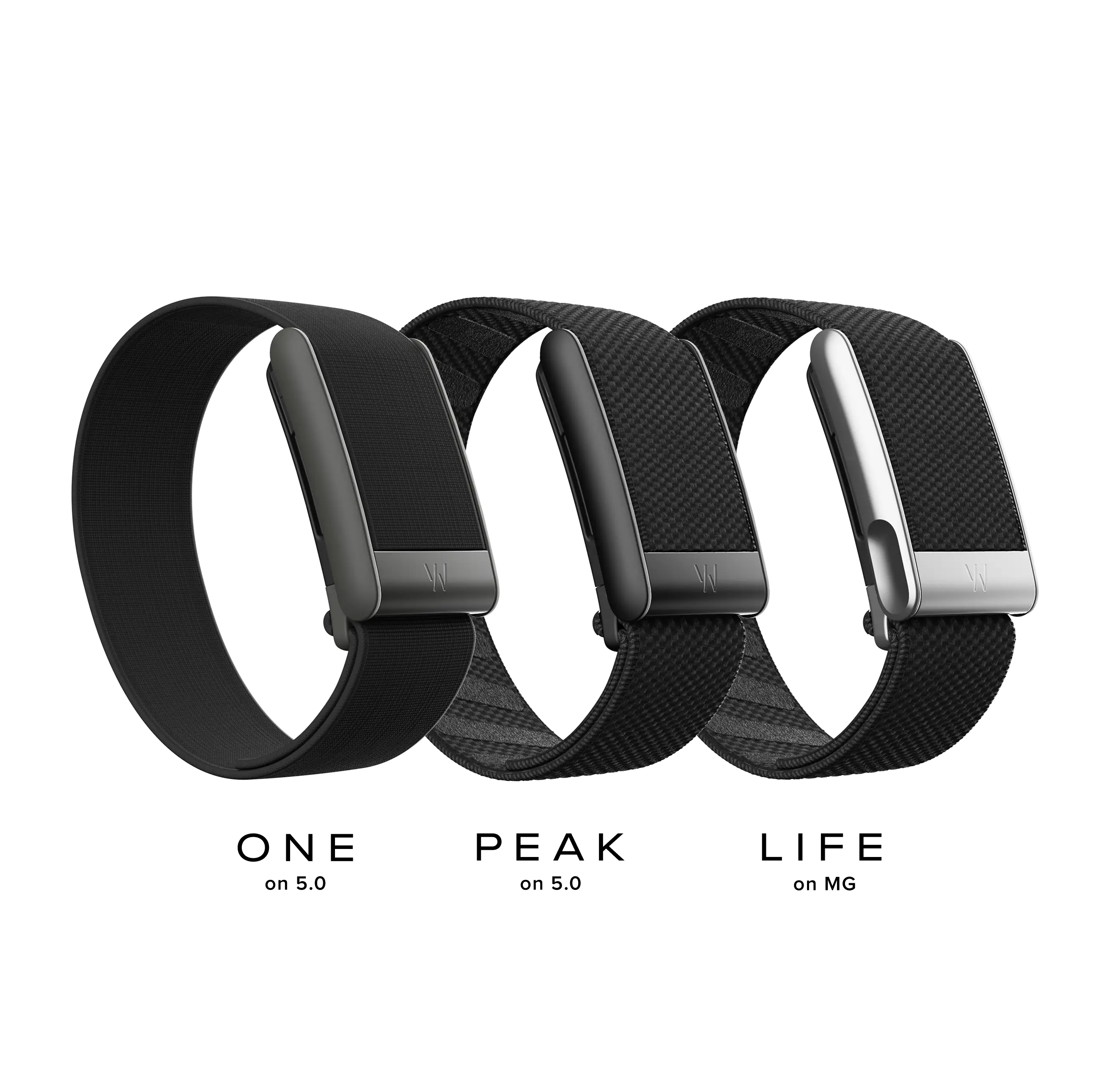
WHOOP invented this category, and its recovery, strain and sleep coaching is still the deepest available — with 14+ days of battery and second-by-second heart-rate sampling. The catch is the business model: the band only works with an active membership (from around $199/yr, July 2026), so the real cost is annual, not one-time. For athletes who will actually act on daily recovery guidance, it earns its fee; for everyone else, the no-subscription rivals above now cover most of the picture. Already a member and thinking about cancelling? Our guide to the best WHOOP alternatives without a subscription covers what happens to your data and band.
The Kudomax library
47 reviews, comparisons and buying guides, organized by device — not a chronological feed. If your specific question isn't answered by the picks above, it's almost certainly covered below.
- Fitbit Air Review: Is the $99 Screenless Band Worth It?
- Fitbit Air vs Charge 6: Which Fitbit Should You Buy?
- Fitbit Air vs Amazfit Helio Strap: Which Screenless Tracker?
- Fitbit Air vs WHOOP 5.0: Which to Buy?
- Fitbit Air Workout Tracking: What It Auto-Detects
- Can You Wear the Fitbit Air on Your Ankle? ( Test Data)
- Best Fitbit Air Bands: All 3 Official Styles Compared
- The Fitbit App Is Now Google Health: What Changed
- RingConn Gen 3 Review: The Ring With No Monthly Bill
- RingConn Gen 3 vs Gen 2 Air: Which Should You Buy?
- Oura Ring 5 vs RingConn Gen 3: Which to Buy?
- Galaxy Ring vs Oura Ring 5: Which Smart Ring Wins in?
- Samsung Galaxy Ring Review: No Subscription, One Big Catch
- Ultrahuman Ring Air Review: Banned in the US, Not in the UK
- Best Smart Rings With No Subscription () — Ranked
- Cheap Smart Rings Under $60 (): What You Actually Get
- Smart Ring vs Fitness Band: Which Should You Buy?
- Best Oura Ring 5 Covers & Protectors (): What Actually Fits
- Oura Ring 5 Sizing: Get It Right the First Time
- Lost Your Oura Ring Charger? What to Buy in
- HSA/FSA-Eligible Fitness Trackers & Smart Rings
- Smart Rings and Lifting: What Survives the Gym
- What to Buy When Your Sleep Score Is Bad
- Sleep Tech Gifts That Actually Improve Your Sleep Score
- Weighted Blanket vs Sunrise Alarm Clock: Which Fixes Sleep?
- Best Kitchen Gear for Fitness Trackers & Smart Rings
- Which Smart Water Bottles Really Sync With Fitbit, Garmin & Oura?
How we evaluate
For every band we verify the official spec sheet against what owners actually report — aggregating feedback across Amazon listings, Reddit and fitness communities, plus hands-on reports from reviewers we trust. Scores weigh comfort, battery, data quality, app experience and total cost of ownership. No sponsored placements; brands don't see our verdicts before you do. We re-check picks and links quarterly.
Fast answers
Do these bands need a subscription?+
Four of the five don't. Fitbit Air, Garmin Cirqa, Amazfit Helio Strap and Polar Loop all deliver their core data with no recurring fee (Fitbit and Garmin sell optional premium tiers). WHOOP is the exception: the band requires an active membership — from around $199/yr at the time of writing — or it stops working.
Fitbit Air vs WHOOP — which should I get?+
Simple rule: if you want effortless sleep and health tracking at the lowest cost, Fitbit Air — around $99 once (September 2026), no required fees. If you're an athlete who will actually plan training around a daily recovery score and don't mind paying yearly, WHOOP's coaching is still the deepest. In between, the Garmin Cirqa gives you most of WHOOP's recovery stack with no subscription.
Can a screenless band replace my smartwatch?+
Different jobs. A smartwatch is for the 16 hours you're awake and glancing; a screen-free band is for all 24 — especially sleep, where light watches with screens get annoying. Many owners wear both: watch by day, band always. If you only want one device and need notifications, keep the watch; if you mainly want health and recovery data, the band alone is enough.
How accurate are these sensors without a screen?+
The optical sensors are the same class used in flagship smartwatches — the screen was never part of the measurement. For steady cardio, sleep and HRV they perform well; for sprint intervals or heavy lifting, wrist optical sensors of any brand lag. That's exactly why Cirqa and the Helio Strap support upper-arm wear, which owners consistently report improves accuracy in hard sessions.
When is the best time to buy?+
Prime Day (July), Black Friday, and the weeks after a new model launches, when last-gen prices drop. This category is moving fast in 2026 — Cirqa just landed and more entrants are coming — so prices shift weekly. That's why we link to the live Amazon listing instead of printing a number here.